Tuesday, April 15, 2025

Top Electricians in Poway: The Definitive Guide to Choosing the Best Electrical Service Providers


Top Electricians in Poway: The Definitive Guide to Choosing the Best Electrical Service Providers

Finding a good electrician in Poway isn’t easy, but it’s essential. Whether you own a home or run a business, safe and reliable electrical work helps your property stay functional and secure. With new homes and upgrades popping up, more people need trustworthy electrical services. Picking the right electrician guarantees safety, saves money in the long run, and keeps your project up to code. So, knowing how to choose the best electrician can make all the difference.


Why Hiring the Right Electrician Matters in Poway

Safety and Compliance

Electrical wiring that isn’t up to code can cause fires or shocks. Local laws in Poway and California set strict safety standards. Only licensed electricians know how to meet these rules. Hiring someone unlicensed increases risks for you and your property. Proper licensing and adherence to safety standards protect everyone’s well-being.

Cost-Effectiveness and Longevity

A skilled electrician can identify potential problems before they turn into big expenses. Fixing issues early prevents costly repairs later. For example, poor wiring can cause fires or power outages that might cost thousands to fix. Good workmanship means your electrical system lasts longer and runs more efficiently, saving you money over time.

Customer Satisfaction and Reliability

Look for electricians who have good reviews, certifications, and warranties. These signs show they stand behind their work. Hiring unreliable providers can lead to delays, poor results, or unexpected costs. Trustworthy electricians value honesty and quality, earning satisfied clients and repeat business.

How to Find the Top Electricians in Poway

Research and Online Resources

Start your search on popular sites like Yelp, Angie’s List, or Google My Business. Check each company’s credentials—licensed, insured, and bonded. Verifying these details protects you from liability if an accident happens during work.

Community Recommendations and Reviews

Ask neighbors, friends, or coworkers for suggestions. Voice your needs in local Facebook groups or community forums. Read customer reviews carefully—look for consistent praise or complaints. Real experiences give you a clearer picture of what to expect.

Professional Associations and Certifications

Electricians associated with recognized groups like the National Electrical Contractors Association (NECA) or the International Brotherhood of Electrical Workers (IBEW) often meet higher standards. Certifications such as a Master Electrician license show advanced skill. Prioritizing licensed, certified pros helps ensure quality work.

Key Factors to Consider When Choosing an Electrician in Poway

Licensing, Insurance, and Certification

California requires electricians to hold valid licenses. Make sure your electrician shows their license before starting work. Insurance coverage protects you if property gets damaged or someone gets injured on-site. Never skip verifying these credentials.

Experience and Specialization

Look for electricians with many years in the field. Specific experience with residential wiring, commercial setups, or industrial systems matters. Need solar panels or EV chargers? Choose someone with specialized skills for those projects.

Pricing and Quotes

Request detailed estimates in writing. Avoid electricians who give vague or overly cheap quotes. Compare not only prices but also what’s included—a low price might mean shortcuts. Clear estimates help you plan your budget and avoid surprises.

Availability and Response Time

Electrical problems require quick fixes. Know how soon an electrician can start or respond to emergencies. Electricians with good communication and fast response times keep your project moving smoothly.

Top Electricians in Poway: Profiles and Reviews

Featured Electrical Companies with Strong Local Presence

  • Poway Electric Co.: Known for prompt service and quality work.
  • San Diego Power & Light: Specializes in residential wiring and solar installs.
  • BrightVolt Electric: Certified Master Electricians with decades of experience.

Case Studies/Customer Testimonials

Many clients praise Poway Electric Co. for fixing a tricky breaker issue quickly. Others highlight San Diego Power & Light’s solar installations that saved them money on bills. Happy customers often mention reliable scheduling and professional staff.

Awards and Recognitions

Some local firms have received awards from community groups or industry bodies for outstanding service. These honors reflect their reputation for top-tier workmanship and customer care.

Expert Opinions

Local licensing boards emphasize verifying credentials and experience. Industry experts say choosing a licensed and certified electrician is the best way to ensure safety and quality.

Tips for Ensuring a Successful Electrical Project

Pre-Project Planning

Assess what you need, including permits. Write down your project scope clearly. Planning prevents misunderstandings and delays.

Communication and Documentation

Always ask for detailed, written estimates. Keep records of conversations, changes, and warranties. Clear communication leads to better results.

Post-Project Follow-up

Once work is finished, schedule inspections to confirm everything meets safety codes. Ask about warranties and maintenance tips. Regular checks prevent future issues and keep your system running smoothly.

Conclusion

Choosing a qualified, experienced electrician in Poway is crucial for safety and quality. Always verify licenses, read reviews, and compare quotes before making a decision. Investing time in selecting the right professional pays off by ensuring your electrical systems are safe, efficient, and durable. When your electrical needs arise, trust the top-rated electricians in Poway to get the job done right. Your safety and satisfaction depend on it.

Thursday, April 10, 2025

Installing Solar Panels: Transitioning to Renewable Energy


Installing Solar Panels: Transitioning to Renewable Energy


Introduction

Solar energy is rising in popularity for homes and businesses. It’s a clean, affordable way to power your life. As more people seek greener options, installing solar panels becomes a smart choice. It’s not just good for the planet; it can also cut your electricity bills significantly. Still, many wonder if solar makes sense for their property. Some worry about costs or complicated setup processes. The truth is, proper planning and professional installation make all the difference. Let’s explore how you can switch to solar smoothly and get the best results.

Understanding Solar Panel Basics

What Are Solar Panels and How Do They Work?

Solar panels capture sunlight and turn it into electricity using technology called photovoltaics. These panels contain tiny cells made of silicon. When sunlight hits these cells, they generate electricity through a process called the photovoltaic effect. There are three main types of solar panels:

  • Monocrystalline: Known for high efficiency and sleek look, but usually cost more.
  • Polycrystalline: Slightly less efficient but more affordable and still reliable.
  • Thin-Film: Lightweight and flexible, ideal for unique spaces, but usually less efficient.

Each type offers a different mix of cost, performance, and appearance. Knowing which suits your needs helps you choose the right system.

Benefits of Installing Solar Panels

Solar panels help reduce your carbon footprint by cutting down greenhouse gases. This makes your home or business greener and cleaner. Financially, solar can shrink your energy bills over time. Many governments offer incentives, rebates, and tax credits to make installations more affordable. These perks can cover a big chunk of the upfront costs, speeding up your return on investment. Plus, having solar on your property can boost its value and appeal.

Factors Influencing Solar Panel Efficiency

The amount of energy your system produces depends on several things. Your location determines how much sunlight your panels can soak up. Homes surrounded by trees or tall buildings might block sunlight, causing less power. Proper orientation—facing the sun—is key. Panels should ideally face south (in the Northern Hemisphere). The tilt angle also impacts performance; a slight angle that matches your latitude usually works best.

Planning Your Solar Panel Installation

Assessing Your Energy Needs

Start by looking at how much energy your household or business uses. Check utility bills from the past year. This helps estimate the size of the system you need. If you use 900 kWh monthly, your solar setup should generate around that amount. This ensures you produce enough power for your daily needs with less reliance on the grid.

Evaluating Your Property's Suitability

Your roof’s condition matters. Make sure it’s sturdy enough to hold solar panels. Also, check the roof’s orientation—surfaces facing south work best. Shading from trees or nearby structures can cut your system’s output. If your roof isn’t suitable, ground-mounted systems are an option. These can be placed where sunlight is clearer and more direct.

Selecting the Right Solar Panel System

Think about whether you want a grid-tied or off-grid system. Grid-tied connects to your utility, allowing you to sell excess power back. Off-grid systems rely completely on your solar setup and batteries. Hybrid options combine both. Batteries store excess energy for use during cloudy days or at night. Consider future needs—scalability lets you add more panels or storage later if your energy use grows.

Hiring Professional Solar Installers

Finding Qualified Solar Installation Contractors

Choose installers with proper credentials, like the NABCEP certification. Check reviews and ask for past work examples. Comparing multiple quotes helps find the best price and service. Never settle for the first offer. Ensuring your installer is experienced saves hassle later.

Questions to Ask Potential Installers

Inquire about their experience with similar homes or businesses. Ask about the timeline from start to finish. What warranties do they offer for panels and labor? Will they handle permits? Understanding their process gives peace of mind.

Understanding Permitting and Regulatory Requirements

Local rules vary, so check your city or county regulations. Permits are usually needed before installation. Inspections often follow to confirm safety standards. Your installer should guide you through these steps. Utility companies may require approval to connect your system to the grid.

The Installation Process

Pre-Installation Preparations

Before work begins, site assessments determine the best system design. Your installer will secure permits and ensure electrical wiring upgrades if needed. Making sure everything is in order helps avoid delays.

Actual Installation Steps

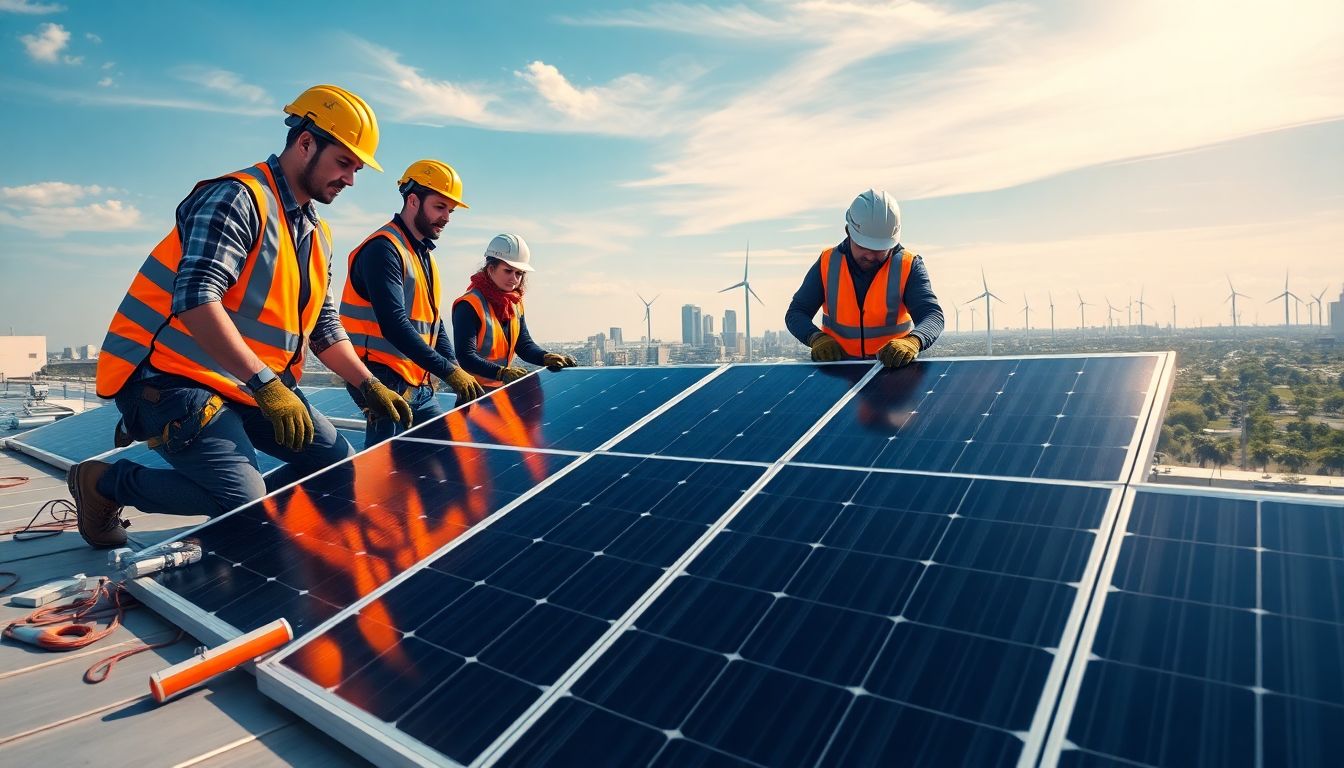
Installers prepare your roof with mounting brackets. Panels are securely attached, then wired to the inverter—a device that converts sunlight into usable electricity. Once connected, the system undergoes testing to confirm it works correctly. Final checks ensure safety and optimal performance.

Post-Installation Checklist

After setup, verify system output matches expectations. Schedule a final inspection and complete paperwork for insurance or incentives. Register your system to qualify for rebates or tax credits. Proper documentation is vital for future support.

Maintaining and Monitoring Your Solar System

Routine Maintenance Tips

Keep panels clean by washing off dirt and leaves. Trim nearby trees that cast shadows. Regularly inspect for cracks or damage. Use monitoring software or apps to track energy production and catch problems early.

Troubleshooting Common Issues

If power output drops, check for shading or dirt. Inverter faults may require professional repair. High system efficiency is key to getting the full benefits of solar. Don’t hesitate to consult a technician if issues persist.

Maximizing System Longevity

Protect panels from physical damage, like hail or debris. Stay updated on new solar tech developments. Consider upgrades if your energy needs grow or technology advances. Good maintenance extends your system’s lifespan and keeps it working smoothly.

Conclusion

Switching to solar involves careful planning, choosing the right system, and hiring skilled professionals. Your investment pays off through lower bills and a cleaner environment. A well-installed system offers decades of reliable power. Taking proactive steps today makes your move to renewable energy easier and more affordable. Start exploring your options now—your future self will thank you!

Electricians: The Backbone of Solar Panel Success

  Introduction Solar energy is booming all over the world. More homes and businesses turn to solar power every year. This growth depends hea...